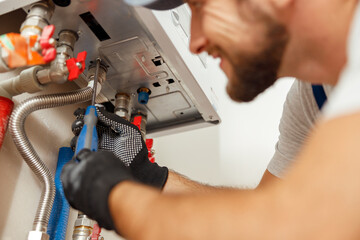
Pest Control

How Much Does Pest Control Cost?

Port St Lucie Pest Control

Having a pest infestation can cost you more than just a few cans of bug spray. You may also have to pay for repairs or replacements for tainted food, damaged drywall, and other property damage.

Port St Lucie Pest Control used to involve men in hazmat suits fighting a battalion of bugs, but it’s gotten smarter and safer, with greener solutions from companies. Read on to learn more about the costs of different treatments and how they can affect your budget.

Costs depend on the type of pests

Pest control services vary in cost, depending on the type of pests you’re dealing with. A single wasp nest or a small infestation of mice and rats is relatively inexpensive, but a major termite or bed bug treatment can run you up to $8,000. A professional will need to inspect your property, determine the size of the infestation, and provide a detailed treatment plan to eliminate them. This will require specialized tools, products, and time to complete the job.

When choosing a pest control company, be sure to choose one that’s licensed, insured, and reputable. A local, family-run business will know your area’s specific pest problems and use products vetted for your specific pests. They will also be more likely to offer a personalized quote to help you save money and protect your home.

A pest infestation can cause costly damage to your home and personal belongings, and you may need to replace drywall or flooring after an extermination. Additionally, you’ll need to budget for any repairs the pests caused, such as for a termite infestation that can result in hundreds of thousands of dollars in repair costs.

In addition to eliminating pests, you can prevent them from returning by taking steps to exclude them from your home and yard. Remove clutter from rooms and garages, clean out storage areas, and clear away grass cuttings and debris that create hiding places for pests.

You can also attract beneficial insects to your garden by planting flowering plants and wild herbs. These plants produce nectar and pollen, which attracts bees, butterflies, and other pollinators. This will also reduce your reliance on chemical pesticides.

Aside from making your home more attractive to beneficial insects, a well-maintained yard will improve your landscape and increase the value of your property. To keep pests out of your yard, remove weeds and debris from the garden beds and lawn, and eliminate standing water, as these can be breeding grounds for mosquitoes, flies, and other pests. You can also plant a natural meadow, and include drooping flowers with carpels to attract insects.

Costs depend on the size of the infestation

For pests like ants and termites, professional treatments are more effective than DIY methods. Unlike bug bombs or baits, professional pest control services address the problem at its root and help prevent recurrence. In addition, pro services offer targeted solutions that save you money over the long run by preventing costly damages to your home.

When deciding on a pest control company, look for local, family-owned and operated companies with years of experience in your area. While national chains may offer lower intro rates, local experts know your pest problems and use products vetted for your specific situation. They also provide quick response times and guarantee their work.

Depending on the size of the infestation, your pest control pro will determine the treatment method. Some services require multiple visits to remove the pests, while others are simple one-time treatments. Some types of pests, such as bed bugs and cockroaches, are more difficult to treat, and may require multiple treatments to eliminate them completely.

It is important to call in a professional as soon as you notice pests, especially the most serious ones, such as ant trails or cockroach droppings. This will save you money on treatments and prevent the pests from multiplying. Generally, the more severe the infestation, the more expensive and time-consuming the treatment will be.

You should also factor in any necessary repairs that may be required due to pest damage. For example, if your home is infested with termites, you will need to repair the damage to your foundation and interior walls. In addition, you may need to replace drywall or flooring.

A general pest control treatment costs $100-$260 for a 1,500 square foot home. For ongoing pest control, consider signing up for a service plan, such as our TriGuard program. These plans bundle termite, rodent, and general pest control into one package at a cost of $39/month and include three-time per year service. The service plan will also come with free callbacks between treatments. It is a great choice for busy homeowners who want to avoid pests and enjoy peace of mind.

Costs depend on the type of treatment

Whether you’re fighting a cockroach infestation or a bed bug nightmare, pest control costs vary by pest type and treatment method. While a general one-time treatment can cost $100, a major infestation of bed bugs may require up to $6,000 in services and materials. You should also consider the impact of any damage that pests have caused to your property or personal belongings. These expenses can include drywall repairs, replacement of furniture, and even tainted food. Luckily, a professional pest control service can help you with these issues.

It’s important to note that you should always get a personalized quote from your local pest inspection specialist. While national chains offer lower initial rates, local experts know your area and pests better. They can respond quickly and use products that are vetted for your specific pest challenges. They can also seal entry points and repair any damage to your home. Lastly, they can offer a no-kill approach if you prefer to avoid killing unwanted animals or insects.

A pest control pro will perform a thorough inspection and identify all the areas where pests are entering your property. They’ll then customize a pest prevention plan that fits your property and budget. Whether you need a quick one-time treatment or want to sign up for an annual plan, they’ll help you find the right solution.

There are five primary methods of pest control: mechanical traps and barriers, chemical treatments, biological controls, environmental modification, and cultural prevention through sanitation and management. Mastering all these methods gives you the flexibility to create versatile service packages and serve clients with unique needs.

Chemical pesticides are an efficient and economical option, but they can also be dangerous to pets and plants. Overuse of these chemicals can also contaminate water supplies and lead to pest resistance. As a result, many clients are turning to eco-friendly pest control alternatives.

In addition to removing pests, a good pest control company will also help you prevent future infestations by sealing entry points and teaching you how to properly store food. They’ll also schedule follow-up treatments to ensure that pests don’t return. These follow-up treatments can be costly, but they’re essential for long-term pest control success.

Costs depend on the service provider

In addition to price, the type of pest control service you choose will also influence how much you pay. For example, some companies offer emergency services for when an infestation threatens your family’s safety, such as a wasp’s nest or rodent droppings. You can expect to pay a premium for these types of treatments. Some companies also charge extra for sealing entry points, repairing damage, and other services related to a specific problem.

You should also make sure that the pest control pro is licensed and insured. You should ask for proof of liability insurance and workers’ compensation. Additionally, look for a company that offers environmentally-friendly pest control. If you have a preference for no-kill pest control methods, find a company that specializes in that. You should also consider hiring a company that provides a free estimate and consultation, including an inspection of your home and yard.

A good pest control company will use the most effective treatment methods. These may include baits, traps, insecticides, foamers, sprayers, or dusters. Some companies even provide professional-grade gear and training for their employees. They will help you set up a pest-free home and prevent future infestations. You should also consider signing up for an ongoing maintenance plan. This will help you save money and time in the long run.

Pests like ants, bed bugs, and termites can cause expensive damage to your home, and they can also spread diseases. Rodents can carry hantavirus and salmonella, mosquitoes can transmit West Nile virus and Zika virus, and cockroaches can trigger asthma and allergies. Whether you need one-time pest control or a regular maintenance plan, these services are worth the investment.

The cost of pest control varies depending on the type of infestation, the size of your home, and the frequency of the service. Typically, a general pest control one-time treatment costs between $100 and $260 for a 1,500-square foot home. Ongoing pest control plans range from tri-annual to monthly, and can be a great way to keep pests at bay.

Cabinet Refinishing

Cabinet Refinishing for Homes With Limited Budgets

Cabinet Refinishing Modesto

Cabinet Refinishing Modesto is ideal for homeowners who need a new look without the cost and inconvenience of a remodel. It also preserves the layout of your existing cabinets, making it an eco-friendly option.

A full replacement requires extensive demolition and turns your kitchen into a construction zone. Refinishing, on the other hand, involves less disruption and can be done in a week.

Cost-Effective Refresh

Cabinet refinishing skips the upfront costs of new materials, and instead relies on existing structures to create a dramatic visual upgrade for a fraction of the cost of full replacement. For budget-conscious homeowners, this approach offers major value and a fast return on investment.

A typical cabinet refinishing workflow starts with inspection and selective repairs, followed by cleaning, deglossing, light sanding or chemical stripping, wood filler for damaged areas, and high-quality priming and multi-stage topcoats. Refinishing professionals often test older cabinets for lead and use containment when removing old paint to avoid hazardous dust release. A refinishing project typically runs 3-7 days on-site, and modern acrylic or conversion varnishes can last a few decades with proper maintenance.

Refinishing is also an eco-friendly choice, as it eliminates landfill waste and reduces the need for new materials. It’s a great option when you want a change but don’t require structural changes to the layout of your kitchen or bathroom, and it can be even more cost-effective than refacing.

The key trade-off is that refinishing doesn’t address structural issues like water damage or warped boards, and it doesn’t allow you to add features that enhance functionality or boost resale value. In those cases, refacing is a smarter investment.

While a full replacement remodel takes weeks or months, refinishing can be completed in a few days with minimal disruption to your daily routine. This keeps your kitchen or bath functional and saves you from the mess, noise, and inconvenience of a total demolition and rebuild.

With a little creativity, refinishing can also transform your cabinets into a more visually appealing layout without changing the basic footprint. For example, you can pair a bright white with contrasting dark wood for a modern aesthetic, or paint your island a rich blue to elevate the look of your cooking space. Modifications like softer-close hinges and new pulls are also easy to install for measurable upgrades that raise perceived value.

Minimal Disruption

Home renovation projects can be disruptive to daily routines, especially in areas like the kitchen. Tearing out old cabinets and replacing them with new ones generates a substantial amount of dust and mess that settles on surfaces throughout the living space. Cabinet refinishing, by contrast, is much cleaner, and it keeps most of the work contained to the cabinet surfaces themselves, minimizing the impact on household comfort.

Professional refinishing requires meticulous attention to detail, including deep cleaning and sanding of the surface area. This ensures that the finished product will be durable, long-lasting, and resistant to chipping or peeling. It also requires allowing sufficient time for the surfaces to dry completely, which helps prevent tacky surfaces that collect dust or attract spores and mold.

The cabinet refinishing process is also less invasive than replacement, preserving your kitchen’s structural integrity and layout. Refinishing is the ideal choice if you’re satisfied with your kitchen’s functionality and want to refresh its appearance without major changes.

Aside from reducing costs, cabinet refinishing is environmentally friendly. The manufacturing, transportation, and disposal of new cabinet components generate significant waste, while refinishing uses existing materials to save resources and reduce environmental footprint.

Refinishing is a practical option when your cabinet doors and drawer fronts are still in good condition, but they’re beginning to show signs of wear. Staining or painting these components gives them a dramatic, updated look while leaving the structural cabinet boxes in place. The key is to recognize the signs of deterioration that indicate the need for refinishing or replacement.

While it is possible to complete some aspects of refinishing on your own, this project should be left to professionals who understand the complex and intricate process. They will be able to set realistic timeline expectations and provide practical strategies for living comfortably during the refinishing process. They will also ensure that all required steps are followed to achieve the best results, avoiding shortcuts that compromise the integrity of the final finish. This includes sanding the surfaces properly to remove rough spots, old finishes, and imperfections and applying a coat of protective sealer that will keep the surface safe from moisture and heavy wear.

Long-Lasting Appearance

Cabinets do more than store dishes and towels, they shape the look and feel of your home and play a major role in its resale value. When your cabinets start to look tired or outdated, you may be considering a full replacement or a less-complicated option like refinishing. But which approach is best for your goals and budget? To help you decide, here are a few key points to consider.

Refinishing works great for homeowners who want a high-impact transformation without the expense and complexity of a full kitchen remodel. It’s a smart option for kitchens that function well, but have lost their appeal. Cabinet refinishing is also ideal for homes that are planning to sell in the near future as it can boost resale value by making your kitchen more appealing to buyers.

The Cabinet Refinishing Process

The refinishing process involves stripping the existing finish from your cabinet doors and drawer fronts, repairing any damage, and then applying new stain or paint to create a fresh, updated look. The result is a smooth, even surface that’s easy to clean and will stand up to the everyday wear and tear of a busy family kitchen.

Cabinet refinishing can be challenging for DIYers, but when done correctly by an experienced professional, it’s quick, affordable, and produces little mess or disruption. Compared to refacing, it’s usually much faster and more cost-effective, too.

While refacing can open up new design possibilities, including layout changes and a wide array of materials, finishes, door styles, and hardware options, it’s not as easy to do yourself as refinishing. It can also be more expensive and take weeks to complete, resulting in significant interruptions and stress.

Lastly, cabinet replacement often requires complicated plumbing and electrical repairs before the project can begin. While refinishing leaves your existing cabinet structure intact, a major kitchen remodel can expose hidden problems that require costly repairs before the new cabinets can be installed. By choosing refinishing, you can avoid these unexpected expenses and protect your budget.

Minimal Dust and Mess

Cabinet refinishing involves working with what’s already there, rather than completely replacing everything. This approach cuts down on construction waste, which is a significant environmental concern, particularly in urban areas where waste management can be tricky. The low-waste aspect also reduces the cost of a project, making it more affordable for homeowners.

The result is a refreshed look without the costly and disruptive impact of a full kitchen remodel. A quality refinishing company will work with you to ensure your cabinets are the best fit for your home and taste. This process requires some careful attention to detail, including proper surface preparation. Look for a professional who has invested in a spray booth to achieve smooth, even results and can offer low-VOC finishes for the health and safety of your family.

Whether you’re leaning towards modern, traditional, or somewhere in between, the right color and sheen can transform your cabinets and change the entire ambiance of the room. The ability to choose your own color or style can also help you maintain a budget while meeting your design goals.

When it comes to choosing between refinishing and replacement, the core factors that guide your decision are:

While replacement opens up more design possibilities, it also involves a more substantial financial investment. The purchase and installation of new materials, along with any necessary plumbing or electrical changes, can quickly add up. The timeline is longer as well, often stretching weeks or more than a single month.

When refinishing, on the other hand, your project will be completed much more quickly and can be finished with minimal disruption to your daily routine. Choosing a professional with a proven track record of client satisfaction and high-quality workmanship will further ensure the outcome is exactly what you want.

Before beginning your cabinet refinishing project, it’s important to remove all hardware from the cabinets and organize them so they can be reinstalled once the job is done. Placing each piece in its own ziplock bag may be a helpful strategy, or simply writing on the bags where they go can work just as well. Organizing these items as you remove them will save you from spending time searching for misplaced pieces later.

HVAC Services

How Often Should You Service Your Heating and Cooling System?

TAP Heating and Cooling

Keeping up with routine maintenance can help extend the lifespan of your HVAC system and prevent costly breakdowns. Learn about the benefits of regular servicing, and the red flags to watch out for that indicate potential problems.

A small effort now can save you a large hassle during the scorching heat of summer or freezing cold of winter. Contact TAP Heating and Cooling for more information.

Age

The age of your system can have a significant impact on its reliability and efficiency. Older systems are more prone to repairs and may need more frequent servicing. Keeping track of the age of your furnace, air conditioning, or water heater can help you anticipate when it might need to be replaced. Most mechanical systems have a lifespan of around a decade. However, they can last longer if maintained properly. Ideally, you should service your system twice a year. This allows for more thorough inspections and prevents problems from building up. It can also help you maintain any manufacturer warranties that might be in place.

During a maintenance visit, a trained specialist will check all the components that make up your HVAC system. This includes the furnace, heating system, thermostat, and ductwork. In addition, the technician will clean dusty components and change your filter. In addition to ensuring the system functions correctly, maintenance visits can also help you save money. For example, a professional can seal leaking ducts and improve the system’s energy efficiency by up to 30%.

Most experts recommend scheduling HVAC maintenance in the spring before cooling season and fall before heating season. This ensures the system is ready for the rigours of summer and winter. However, if you live in an area with extreme weather, it might be necessary to schedule maintenance more frequently.

You can easily determine the age of your heating or cooling system by looking at the date of manufacture or installation. This is typically printed on the equipment label affixed to the unit. It may be possible to decode the serial number to get a more precise estimate of age.

While a newer furnace, air conditioner, or water heater requires less maintenance than an older model, it is still important to keep up with regular service. This can prevent expensive repairs and extend the life of the equipment. Moreover, it can help you identify when the equipment is nearing the end of its useful life and schedule replacement services.

Although the cost of recurrent maintenance can add up over time, it is often much cheaper than repair or replacement costs. It is also more efficient than waiting for the system to break down before calling in a professional. This is especially true if the technician can nip problems in the bud by catching them early on during routine visits.

Climate

It’s normal to have more repairs for older systems, as natural wear and tear tends to exacerbate issues over time. However, many people don’t realize that the climate in which they live also has a significant impact on how well their HVAC system works. If a homeowner lives in a more volatile climate, they should have an HVAC professional inspect and service their system more frequently to ensure that it stays in good working order.

Routine maintenance can help homeowners avoid expensive breakdowns during peak seasons, but it’s also a good way to ensure that their HVAC system will last longer. During a service visit, HVAC technicians will lubricate moving parts, clean components, and verify that all electrical connections are intact. These measures can improve the longevity of a HVAC system by several years, and they can also help to lower energy costs over time.

Keeping a HVAC system properly maintained can also help to reduce the number of contaminants in the indoor air. This can lead to healthier, more comfortable homes with cleaner air. In addition, routine servicing can reduce the risk of clogged filters, which can introduce pollutants into your home’s indoor air.

The cost of recurrent maintenance will vary depending on the location and condition of the HVAC system, but it is generally more affordable than major repairs or replacements. When comparing the cost of recurrent maintenance to the overall cost of a repair or system replacement, it is clear that the investment in regular service will pay off.

Ultimately, homeowners should consider upgrading their HVAC system instead of relying on sporadic repair services to keep their old unit functional. Newer models offer a range of benefits, including reduced electricity bills and lower usage, while some are sustainable and operated with minimal environmental impact. A professional can provide advice on the best options for your home’s needs and budget. Moreover, a qualified contractor will be able to recommend an HVAC model that will fit your home’s requirements and operate effectively in the local climate. If you’re interested in scheduling routine maintenance for your home, contact the team at Buckeye Heating, Cooling & Plumbing.

Installation

Having a licensed professional handle unit installation ensures safety, code compliance, energy efficiency, and protection of the warranty. The process includes a site evaluation, ductwork assessment, and system setup. Homeowners should help by clearing paths, securing pets, and making sure the technician has convenient parking.

Old age

Repeated repairs or higher-than-normal energy bills may be signs that your HVAC system is approaching the end of its lifespan. In that case, an upgrade may be a smarter choice for maintaining home comfort and efficiency.

Dirty system components

Regular cleaning of coils, fans, and filters will prolong equipment life. However, the most significant service item is replacing engine coolant. When this fluid wears down, electrolysis can occur and eat away at aluminum or iron parts in the heater core or engine cooling system. Coolant should be flushed and replaced every three years or 50,000 miles.

During testing and startup, licensed technicians check for refrigerant leaks, verify airflow and static pressure targets, calibrate thermostats, and perform combustion analysis and vent safety checks for gas systems. They also make sure the unit properly operates and that there are no electrical hazards, such as improper disconnects or wiring.

Thermostat

The thermostat is the central hub of your heating and cooling system. It controls when your system turns on and off, how long it runs, and the temperature your home maintains. But selecting the wrong thermostat or installing it improperly can lead to everything from poor energy efficiency and high utility bills to system malfunctions and expensive repairs.

If you’re considering upgrading your thermostat, you should first consult an HVAC professional to ensure that the new model is compatible with your existing system. Incompatible voltage, for example, can cause the system to turn on and off intermittently or short cycle—a process that wears down your unit.

Also, be sure to check that your current thermostat is equipped with a common wire (C-Wire) for continuous power. Some smart thermostats require this, but if your system doesn’t have one you’ll need to hire a professional to install an adapter or replace the thermostat entirely. Also, avoid placing the thermostat near drafts or in direct sunlight to prevent inaccurate temperature readings. A thermostat should be positioned away from heat sources and in an open hallway that provides a steady flow of air from the rooms to be regulated.

Uncategorized

Keeping Warm and Comfortable with Professional Heating Repairs

When the temperatures start to drop, a reliable heating system becomes more than just a comfort — it’s a necessity. Whether you rely on a furnace, heat pump, or central heating unit, these systems work tirelessly to keep your home cozy during the cold months. However, even the most efficient systems can experience issues over time. Understanding the importance of heating repairs and knowing when to call for help can save you from unexpected breakdowns and costly energy bills.

Heating systems are complex, with many components that must work together seamlessly. When something goes wrong, it doesn’t just affect your comfort — it can also impact your energy efficiency, indoor air quality, and even safety. Regular maintenance and prompt repairs ensure your system performs at its best when you need it most.

heating

Here’s everything you need to know about heating repairs, from common problems and warning signs to professional solutions that keep your home warm all season long.

Why Timely Heating Repairs Matter

When your heating system starts acting up, it’s tempting to ignore minor issues, especially if the unit still produces heat. However, postponing repairs can lead to more serious and expensive problems later on. A small malfunction can put extra strain on your system, causing it to work harder and wear out faster.

Timely repairs prevent complete system failures, reduce energy waste, and extend the lifespan of your heating equipment. Regularly serviced systems operate more efficiently, delivering consistent warmth while consuming less energy. In addition, addressing minor issues promptly helps avoid uncomfortable and unexpected breakdowns in the middle of winter.

Simply put, heating repairs are not just about fixing problems — they’re about preventing them.

Common Heating System Problems

Understanding the most frequent issues can help you identify when your heating system needs attention. While every unit is different, here are some of the most common problems homeowners face:

  1. Uneven Heating – Some rooms may feel warm while others remain cold. This issue often results from blocked vents, duct leaks, or problems with the thermostat.
  2. Unusual Noises – Clanging, banging, or rattling sounds can indicate loose components, debris in the blower, or a failing motor.
  3. Weak Airflow – If your system isn’t blowing enough warm air, it could be due to a clogged filter, fan issues, or problems with the air ducts.
  4. Frequent Cycling – A heating system that turns on and off too often may have a dirty filter, a faulty thermostat, or incorrect system sizing.
  5. High Energy Bills – A sudden spike in heating costs can signal that your system is overworking due to inefficiency or malfunctioning parts.
  6. No Heat at All – If your system fails to produce any heat, the issue may involve a pilot light, ignition control, or electrical problem.

If you notice any of these symptoms, it’s best to schedule heating repairs as soon as possible to prevent further damage.

Signs You Need Professional Heating Repair

Sometimes, it’s easy to tell when your heating system needs repair — other times, the signs are subtle. Paying attention to the following indicators can help you catch problems early:

  • The system takes longer than usual to heat your home.
  • Strange odors, such as burning or musty smells, come from vents.
  • The thermostat doesn’t respond properly or shows inaccurate readings.
  • The pilot light is discolored or keeps going out.
  • The air quality in your home feels dusty or stale.

These are clear signals that something isn’t right. Ignoring them could lead to more expensive repairs or even complete system failure. A professional inspection ensures the root of the problem is found and fixed properly.

The Benefits of Professional Heating Repairs

Attempting to fix a heating system without the right tools or experience can be risky. Professional technicians are trained to diagnose and resolve issues safely and efficiently. Here’s why professional repairs are the smart choice:

  • Accurate Diagnosis – Experts can quickly identify the cause of a problem, saving you time and frustration.
  • Safe Repairs – Heating systems often involve gas, electricity, and combustion — all of which require professional handling to ensure safety.
  • Long-Term Savings – Proper repairs improve efficiency, reducing energy bills and minimizing the risk of major breakdowns.
  • Extended Equipment Lifespan – Regular maintenance and timely fixes help your system run smoothly for years.

Professional heating repair services not only restore warmth to your home but also give you peace of mind knowing your system is safe and reliable.

Preventing Heating Problems with Maintenance

While repairs are sometimes unavoidable, regular maintenance can greatly reduce the chances of system failure. Preventive care keeps your heating unit running efficiently and helps detect issues before they escalate.

Here are a few simple steps you can take:

  • Change Filters Regularly – Dirty filters restrict airflow and force your system to work harder, leading to overheating and reduced efficiency.
  • Inspect Vents and Ducts – Keep vents free from blockages and ensure ducts are sealed properly to maintain balanced airflow.
  • Check the Thermostat – Make sure it’s functioning correctly and set to the appropriate temperature.
  • Schedule Annual Tune-Ups – Professional inspections before the cold season ensure your heating system is in peak condition.

With regular care, you can avoid most unexpected heating issues and maintain comfort throughout the year.

Energy Efficiency and Cost Savings

Efficient heating repairs go hand in hand with energy savings. A system that operates smoothly consumes less power, leading to lower monthly bills. During repairs, professionals often clean components, replace worn-out parts, and calibrate your thermostat to improve performance.

In addition to reducing costs, energy-efficient heating benefits the environment by lowering carbon emissions. Investing in repairs and regular upkeep is a win-win — it saves money and supports sustainability.

When Repair Isn’t Enough

While most heating issues can be fixed, there comes a time when repairs may no longer be cost-effective. If your system is old, constantly breaking down, or struggling to maintain heat, replacement might be the better option.

An expert can help you evaluate whether repairs will extend your system’s life or if a new, more efficient unit would be more economical in the long run. Modern systems often use less energy and provide better temperature control, leading to significant long-term savings.

Safety Considerations with Heating Systems

Safety should always come first when it comes to home heating. Malfunctioning systems can pose serious risks, including carbon monoxide leaks and fire hazards. Regular inspections and prompt repairs help prevent these dangers.

Ensure that your home has working smoke and carbon monoxide detectors, especially near bedrooms and heating equipment. If you ever smell gas or suspect a serious issue, shut off your system and seek professional help immediately.

Keeping your heating system in safe, working order not only protects your home but also your family’s well-being.

Heating systems are the heart of your home during the cold months, providing warmth, comfort, and safety. Understanding the importance of heating repairs helps you stay ahead of potential problems and keep your home running efficiently.

By addressing issues promptly, scheduling regular maintenance, and trusting professionals with complex repairs, you can enjoy consistent comfort all season long.

A well-maintained heating system doesn’t just warm your space — it also brings peace of mind, knowing that your home is safe, efficient, and ready to handle whatever the weather brings.