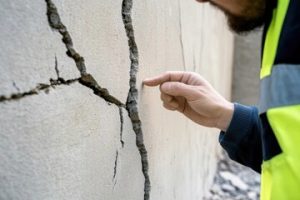
A home’s foundation is the unsung hero of its structure. It supports every wall, floor, and roof above, maintaining stability and integrity. Yet, foundations are often overlooked until problems arise. Cracks, uneven floors, or sticking doors are usually the first visible signs that something is wrong. By then, damage may already be progressing, making repairs more expensive and complicated. This is why regular foundation inspections are crucial—they allow homeowners to detect issues early, prevent major damage, and maintain both safety and property value.
Foundation inspections are more than a routine formality. They serve as preventive maintenance for a critical structural component of any property. While foundations are designed to last for decades, they are not immune to environmental stress, soil movement, water intrusion, or natural wear over time. Regular inspections help identify subtle warning signs before they escalate into costly repairs, allowing homeowners to take action while the damage is manageable. In addition, professional Foundation Repair Nashville inspections provide peace of mind, confirming that the structure remains safe for occupants and structurally sound for long-term use.
Understanding the Importance of Foundation Health
A foundation acts as the base of a home, distributing weight evenly to the soil and anchoring the structure against environmental forces. Any compromise in its integrity can have far-reaching consequences, affecting not only the foundation itself but also walls, floors, doors, plumbing systems, and even the roof. Uneven settling or shifting can lead to a cascade of problems that undermine both safety and property value.
Maintaining a strong foundation is essential for several reasons:
- Structural Stability: A well-maintained foundation ensures that all structural components remain level and balanced, reducing the risk of sagging floors or leaning walls.
- Preventing Secondary Damage: Foundation issues often lead to cracks in walls, gaps in windows and doors, and water intrusion, which can affect interior finishes and electrical systems.
- Long-Term Property Value: Homes with solid foundations are more attractive to buyers and appraisers, whereas visible foundation issues can significantly lower resale value.
Regular inspections allow homeowners to safeguard these aspects, ensuring the property remains safe and valuable over time.
Common Causes of Foundation Problems
Foundations face a variety of challenges that can compromise their integrity. Understanding these causes helps homeowners appreciate why inspections are necessary.
1. Soil Movement
Soil shifts are one of the most common contributors to foundation issues. Expansive clay soils, poor compaction, or erosion can cause the foundation to settle unevenly, leading to cracks or tilting. Heavy rainfall, flooding, or drought can exacerbate these problems, creating pressure that destabilizes the structure.
2. Water Damage
Moisture is a primary enemy of foundations. Poor drainage, leaking gutters, or plumbing issues can allow water to accumulate around or under the foundation, weakening the soil and causing structural stress. Over time, water intrusion can create cracks, promote mold growth, and even compromise the foundation’s load-bearing capacity.
3. Age and Natural Wear
Even well-built foundations deteriorate over time. Concrete can shrink or develop hairline cracks as it ages, and steel reinforcements may corrode. While minor issues may not initially affect structural integrity, they can worsen if left unchecked.
4. Tree Roots and Landscaping
Large trees planted too close to a home can have roots that extend under the foundation, exerting pressure and causing uneven settling. Landscaping changes, such as adding heavy structures or altering drainage patterns, can also impact foundation stability.
Regular inspections can detect these stressors early, enabling homeowners to address them before they escalate into serious structural problems.
Signs That Your Foundation Needs Attention
While professional inspections are crucial, homeowners can also monitor for early warning signs. Recognizing potential problems helps prioritize inspections and ensures timely intervention.
Common signs of foundation issues include:
- Cracks in Walls, Floors, or Ceilings: Horizontal cracks, stair-step cracks in brickwork, or widening gaps often indicate movement.
- Uneven or Sloping Floors: Floors that feel tilted or bouncy may point to uneven settling beneath the foundation.
- Doors and Windows That Stick: Doors or windows that fail to close properly can indicate misalignment caused by shifting foundations.
- Gaps Between Walls and Baseboards: Separation between walls, ceilings, or floors can be a subtle indicator of foundation stress.
Detecting these warning signs early, combined with regular inspections, can prevent minor issues from developing into structural emergencies.
What Happens During a Professional Foundation Inspection
Foundation inspections go beyond visual assessment. Professionals use a combination of experience, tools, and techniques to evaluate structural integrity and identify potential problems.
Key Steps in a Foundation Inspection
- Visual Assessment: Inspectors examine interior and exterior walls, floors, ceilings, and the foundation itself for cracks, water damage, and other visible indicators.
- Measurement of Foundation Movement: Laser levels, plumb lines, or digital sensors may be used to detect shifts, tilts, or uneven settling.
- Soil and Drainage Analysis: Inspectors evaluate the surrounding soil, grading, and drainage systems to determine how environmental factors may be affecting the foundation.
- Structural Evaluation: Key load-bearing components, including beams, columns, and footings, are assessed to ensure they remain strong and intact.
- Reporting and Recommendations: After inspection, a detailed report outlines findings, identifies issues, and suggests solutions, ranging from minor repairs to comprehensive stabilization methods.
Regular inspections can catch subtle changes before they evolve into major structural problems, saving homeowners significant time and money.
Benefits of Regular Foundation Inspections
The advantages of proactive foundation inspections extend far beyond immediate repairs. They support both safety and financial interests.
1. Prevent Costly Repairs
Foundation problems worsen over time. Minor cracks or small areas of settling may be relatively inexpensive to repair, but neglected issues often require extensive structural work, including underpinning, wall reinforcements, or slab replacement. Inspections allow for early detection, reducing repair costs.
2. Maintain Home Safety
A compromised foundation can pose serious safety risks. Uneven load distribution increases the likelihood of wall or floor collapse, misaligned doors and windows, and plumbing failures. Inspections ensure that structural concerns are addressed before they endanger occupants.
3. Protect Property Value
Homes with well-maintained foundations retain their market value, whereas those with known issues often face price reductions or struggle to sell. Professional inspection documentation demonstrates to potential buyers that the property has been monitored and maintained, increasing confidence and resale value.
4. Avoid Insurance Complications
Certain insurance policies may require evidence of regular maintenance, including foundation inspections. Timely inspections and repairs can prevent disputes over claims related to structural damage or water intrusion.
How Often Should You Inspect Your Foundation?
Foundation inspection frequency depends on several factors, including the age of the home, soil conditions, climate, and past foundation history. Generally, it is recommended to conduct a professional inspection:
- Every 2–3 Years for Older Homes: Aging foundations are more prone to settling, cracking, and deterioration.
- After Major Weather Events: Flooding, earthquakes, or extended drought can impact foundation stability.
- When Planning Renovations: Adding weight, altering load distribution, or excavating near the foundation requires inspection to ensure structural integrity.
- If Warning Signs Appear: Any noticeable cracks, uneven floors, sticking doors, or gaps should trigger an immediate inspection.
Regular inspections create a proactive approach, allowing homeowners to address issues promptly and maintain structural stability over time.
Common Foundation Repair Solutions
If an inspection reveals problems, several repair methods are available depending on the severity and type of issue.
1. Piering or Underpinning
Steel or concrete piers are installed beneath the foundation to stabilize and lift areas affected by settling. This method restores levelness and supports long-term stability.
2. Slab Jacking
For slab foundations, grout or polyurethane foam is injected beneath sunken sections to lift the concrete. This technique is effective for minor settlement problems.
3. Wall Reinforcements
Bowed or leaning walls can be stabilized using wall anchors, steel beams, or carbon fiber strips. This method prevents further movement and strengthens structural integrity.
4. Waterproofing and Drainage Solutions
Addressing moisture issues is critical for foundation health. Installing proper drainage systems, grading improvements, and waterproofing membranes helps prevent soil erosion and water damage that contribute to foundation problems.
Professional inspections ensure that the most appropriate repair method is selected, preventing future complications.
Cost Considerations
Foundation inspections and repairs represent an investment, but the long-term benefits far outweigh the upfront expense. Costs vary depending on the size of the home, the type of foundation, and the severity of any issues.
- Inspection Costs: Typically moderate and often well below the cost of major repairs.
- Repair Costs: Can range from minor crack filling to extensive piering or wall reinforcement. Early detection reduces overall expenses.
- Resale Impact: Properly documented repairs can increase property value, making inspections financially prudent.
Investing in regular inspections is a strategic choice that protects both the home and the homeowner’s financial interest.
Foundation inspections are an essential component of responsible homeownership. They provide early detection of structural problems, ensure occupant safety, and protect long-term property value. Minor issues caught during routine inspections can be addressed efficiently, preventing costly repairs and extensive damage.
Proactive inspections also reassure potential buyers, demonstrating that the home has been maintained with care and foresight. This combination of safety, financial prudence, and market confidence underscores the importance of regular foundation check-ups.
By understanding the importance of foundation health, recognizing warning signs, and committing to routine professional inspections, homeowners can safeguard their investment and maintain a secure, durable living environment. A strong foundation is more than a structural necessity—it is the key to long-term safety, stability, and value.