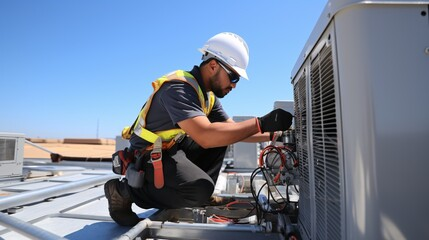
Emergency Water Removal Salt Lake City has professional equipment and training to ensure that every step from water extraction to drying, sanitization, and repairs is completed properly. These professionals use moisture meters and thermal imaging to identify hidden pockets of water and create a detailed restoration plan.
The type of water also affects cost. For example, black water from a sewer backup is more expensive to remove than gray water from a burst pipe.
Cost of Equipment
If you’re dealing with flood or water damage, it’s essential to hire professionals to remove all moisture. This process requires specialized equipment and expertise to prevent structural damage, mold growth, and other secondary damage. Moreover, it’s vital to act quickly, as prolonged exposure can increase damage and reduce the effectiveness of your restoration efforts.
Effective emergency water removal techniques can significantly affect restoration costs, timeline, and outcomes. Several factors influence these methods, including the type of water and its source, the affected area, and the timeframe. Some of the most common emergency water extraction methods include submersible pumps, wet/dry vacuums, and truck-mounted extractors. Each of these tools is designed for different applications and has a distinct power rating, affecting flow rates and lift heights.
The first step in water extraction is to inspect the damaged area and determine the type of water. Professionals use moisture meters and thermal imaging to detect hidden pockets of water and identify the source. After this, they can create a restoration plan. The next step is to deploy industrial-grade pumps and extract the water. Then, they use dehumidifiers and air movers to accelerate drying and prevent mold growth.
Water damage can be caused by a variety of issues, from leaking washing machines to burst pipes. The severity of the damage and the cause of the leaks can also impact the recovery costs. For example, Category 1 water (clean water from sanitary sources such as a burst pipe) is usually less costly than Category 2 or Category 3 water.
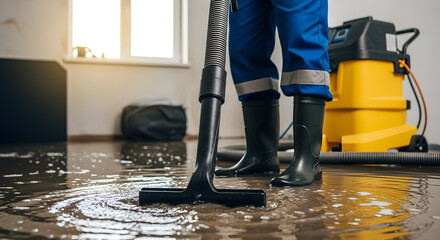
A wet/dry vacuum is a versatile tool for emergency situations, able to transfer both liquids and solids. Its low profile enables it to reach hard-to-reach spaces and corners. To maximize its efficiency, make sure it’s properly maintained and clean. Ensure that the hoses and filters are in good condition, and regularly empty its collection tank to maintain suction.
When calculating the cost of emergency water removal, it’s important to consider the types and quantity of materials used. For example, if the water is contaminated with sewage and other impurities, it may cost more to remove than clearer water that has been caused by busted pipes or bathtub overflow. It’s also important to consider the location of the damage, as it can influence the overall restoration cost.
Cost of Labor
Water restoration companies charge an hourly rate for their services. The cost of these services depends on several factors, including the type of water and the extent of damage. The higher the water type and the more extensive the damage, the more expensive it will be to clean and repair. It is also important to consider whether materials can be repaired or if they will need to be replaced.
The first step in the emergency water removal process is to inspect the property and classify the water type. This inspection will help the company determine the appropriate equipment and labor needs for the cleanup. It will also identify potential safety issues and create a detailed restoration plan. In some cases, the professionals will use moisture meters and thermal imaging to locate hidden pockets of water.
Once the water is removed, the next step is to sanitize the affected areas and dry them out. Sanitization is critical to protect household members and pets from illnesses. It is also necessary to prevent the growth of mold and mildew. In some cases, air scrubbers may be used to thoroughly clean the area and the air inside the house.
Emergency water extraction is typically covered by insurance. However, the price of restoration can be much higher if there is structural damage or contamination. Water damage restoration companies will try to salvage as much of the original material as possible, but some items may need to be replaced.
The final cost of emergency water removal varies depending on the scope of the project and the extent of the damage. It also depends on how quickly the repairs are completed. Ideally, the restoration should be completed within 24 hours after the initial water damage to reduce the risk of long-term damage and the formation of toxic black mold.
The costs of emergency water removal are typically not covered by homeowner’s insurance policies. It is therefore essential to get a professional to perform the work. The best way to minimize the cost of emergency water restoration is to hire a company with experience and the right equipment. This will ensure that the job is done correctly and without further damage to your home or belongings.
Cost of Materials
When it comes to water damage restoration, the cost of materials can make a big difference in overall costs. It depends on the type of material that is affected and how extensive the damage is. For instance, carpet and wood may need to be replaced after being soaked in water for a long time. In addition, the amount of water that has accumulated also affects the cost. Generally, the more water that is in a space, the higher the cost of restoring it.
Another important factor that impacts emergency water removal costs is the level of contamination. Clean water, such as from a burst pipe or rainwater, is the least expensive to clean up and poses few health risks. Water with a little more contamination, such as category 2 water from washing machines or toilets with urine but no feces, can increase the cost of cleaning and sanitizing.
Category 3 water, from sewage backups and flooding, is the most dangerous and can lead to a variety of problems including mold and serious structural damage. This type of water requires more advanced equipment and more time for cleaning and drying, which will drive up the costs of restoration.
Other factors that can affect emergency water cleanup costs include the size of the area affected and whether the property is in a remote location. For example, if the water is in an un-insulated crawlspace or under a floor, it will take more time and energy to remove and dry. It is also more difficult to access areas that are inaccessible without specialized tools or training.
Emergency water extraction can be a challenging and costly task, but it’s essential for preventing further damage to your home or business. Hiring professional restoration services ensures that the job is done correctly and quickly to avoid mold, rot, and other long-term problems. Professional restoration companies use industrial vacuums and pumps to extract the water, dehumidifiers to dry the space, and replacement of materials that cannot be saved. Depending on the severity of the situation, you may need to hire additional professionals for structural repairs and mold remediation.
Cost of Insurance
Water Damage Restoration is an essential service to help protect homes from the damage caused by burst pipes or flooding. It involves a variety of services from water extraction to structural drying, dehumidification, and mold remediation. The cost of these services depends on the extent of the damage and the area affected. However, homeowners should note that most insurance companies cover these costs.
The amount of water that needs to be removed from a property is the main factor in determining how much Emergency Water Removal will cost. The type of water that is causing the damage also influences how much it will cost to clean up and repair the area. For instance, clean water, classified as category 1, is the least costly to remedy. This water comes from sources such as toilet and bath tanks, leaky faucets, and rain. It poses no immediate health threats but can lead to mold and structural damage if not treated immediately.
On the other hand, gray water, classified as category 2, is more expensive to remediate. It contains detergents, laundry products, and food particles and poses a slight health risk to people. It can be traced back to washing machines, bathtubs, and sinks and typically costs between $3 and $4 per square foot to clean. Category 3 or black water, on the other hand, is highly contaminated and usually results from sewer backups or natural disasters. This type of water is a severe health threat and can cause serious health problems if it is not treated immediately.
It is important to hire an experienced and professional emergency water removal company to avoid further damage to the property. These professionals have the right equipment and experience to deal with any type of water damage. In addition, they can use special techniques to remove the water quickly and efficiently. Moreover, they can also help you get your insurance claim approved.
Water damage doubles every 24 hours if it is not addressed immediately. This means that a small investment in immediate restoration will save you thousands of dollars in additional damage. In addition, professional water restoration services focus on water mitigation, which involves removing standing water and preventing long-term issues.