
Cabinet Refinishing

Cabinet Refinishing for Homes With Limited Budgets

Cabinet Refinishing Modesto

Cabinet Refinishing Modesto is ideal for homeowners who need a new look without the cost and inconvenience of a remodel. It also preserves the layout of your existing cabinets, making it an eco-friendly option.

A full replacement requires extensive demolition and turns your kitchen into a construction zone. Refinishing, on the other hand, involves less disruption and can be done in a week.

Cost-Effective Refresh

Cabinet refinishing skips the upfront costs of new materials, and instead relies on existing structures to create a dramatic visual upgrade for a fraction of the cost of full replacement. For budget-conscious homeowners, this approach offers major value and a fast return on investment.

A typical cabinet refinishing workflow starts with inspection and selective repairs, followed by cleaning, deglossing, light sanding or chemical stripping, wood filler for damaged areas, and high-quality priming and multi-stage topcoats. Refinishing professionals often test older cabinets for lead and use containment when removing old paint to avoid hazardous dust release. A refinishing project typically runs 3-7 days on-site, and modern acrylic or conversion varnishes can last a few decades with proper maintenance.

Refinishing is also an eco-friendly choice, as it eliminates landfill waste and reduces the need for new materials. It’s a great option when you want a change but don’t require structural changes to the layout of your kitchen or bathroom, and it can be even more cost-effective than refacing.

The key trade-off is that refinishing doesn’t address structural issues like water damage or warped boards, and it doesn’t allow you to add features that enhance functionality or boost resale value. In those cases, refacing is a smarter investment.

While a full replacement remodel takes weeks or months, refinishing can be completed in a few days with minimal disruption to your daily routine. This keeps your kitchen or bath functional and saves you from the mess, noise, and inconvenience of a total demolition and rebuild.

With a little creativity, refinishing can also transform your cabinets into a more visually appealing layout without changing the basic footprint. For example, you can pair a bright white with contrasting dark wood for a modern aesthetic, or paint your island a rich blue to elevate the look of your cooking space. Modifications like softer-close hinges and new pulls are also easy to install for measurable upgrades that raise perceived value.

Minimal Disruption

Home renovation projects can be disruptive to daily routines, especially in areas like the kitchen. Tearing out old cabinets and replacing them with new ones generates a substantial amount of dust and mess that settles on surfaces throughout the living space. Cabinet refinishing, by contrast, is much cleaner, and it keeps most of the work contained to the cabinet surfaces themselves, minimizing the impact on household comfort.

Professional refinishing requires meticulous attention to detail, including deep cleaning and sanding of the surface area. This ensures that the finished product will be durable, long-lasting, and resistant to chipping or peeling. It also requires allowing sufficient time for the surfaces to dry completely, which helps prevent tacky surfaces that collect dust or attract spores and mold.

The cabinet refinishing process is also less invasive than replacement, preserving your kitchen’s structural integrity and layout. Refinishing is the ideal choice if you’re satisfied with your kitchen’s functionality and want to refresh its appearance without major changes.

Aside from reducing costs, cabinet refinishing is environmentally friendly. The manufacturing, transportation, and disposal of new cabinet components generate significant waste, while refinishing uses existing materials to save resources and reduce environmental footprint.

Refinishing is a practical option when your cabinet doors and drawer fronts are still in good condition, but they’re beginning to show signs of wear. Staining or painting these components gives them a dramatic, updated look while leaving the structural cabinet boxes in place. The key is to recognize the signs of deterioration that indicate the need for refinishing or replacement.

While it is possible to complete some aspects of refinishing on your own, this project should be left to professionals who understand the complex and intricate process. They will be able to set realistic timeline expectations and provide practical strategies for living comfortably during the refinishing process. They will also ensure that all required steps are followed to achieve the best results, avoiding shortcuts that compromise the integrity of the final finish. This includes sanding the surfaces properly to remove rough spots, old finishes, and imperfections and applying a coat of protective sealer that will keep the surface safe from moisture and heavy wear.

Long-Lasting Appearance

Cabinets do more than store dishes and towels, they shape the look and feel of your home and play a major role in its resale value. When your cabinets start to look tired or outdated, you may be considering a full replacement or a less-complicated option like refinishing. But which approach is best for your goals and budget? To help you decide, here are a few key points to consider.

Refinishing works great for homeowners who want a high-impact transformation without the expense and complexity of a full kitchen remodel. It’s a smart option for kitchens that function well, but have lost their appeal. Cabinet refinishing is also ideal for homes that are planning to sell in the near future as it can boost resale value by making your kitchen more appealing to buyers.

The Cabinet Refinishing Process

The refinishing process involves stripping the existing finish from your cabinet doors and drawer fronts, repairing any damage, and then applying new stain or paint to create a fresh, updated look. The result is a smooth, even surface that’s easy to clean and will stand up to the everyday wear and tear of a busy family kitchen.

Cabinet refinishing can be challenging for DIYers, but when done correctly by an experienced professional, it’s quick, affordable, and produces little mess or disruption. Compared to refacing, it’s usually much faster and more cost-effective, too.

While refacing can open up new design possibilities, including layout changes and a wide array of materials, finishes, door styles, and hardware options, it’s not as easy to do yourself as refinishing. It can also be more expensive and take weeks to complete, resulting in significant interruptions and stress.

Lastly, cabinet replacement often requires complicated plumbing and electrical repairs before the project can begin. While refinishing leaves your existing cabinet structure intact, a major kitchen remodel can expose hidden problems that require costly repairs before the new cabinets can be installed. By choosing refinishing, you can avoid these unexpected expenses and protect your budget.

Minimal Dust and Mess

Cabinet refinishing involves working with what’s already there, rather than completely replacing everything. This approach cuts down on construction waste, which is a significant environmental concern, particularly in urban areas where waste management can be tricky. The low-waste aspect also reduces the cost of a project, making it more affordable for homeowners.

The result is a refreshed look without the costly and disruptive impact of a full kitchen remodel. A quality refinishing company will work with you to ensure your cabinets are the best fit for your home and taste. This process requires some careful attention to detail, including proper surface preparation. Look for a professional who has invested in a spray booth to achieve smooth, even results and can offer low-VOC finishes for the health and safety of your family.

Whether you’re leaning towards modern, traditional, or somewhere in between, the right color and sheen can transform your cabinets and change the entire ambiance of the room. The ability to choose your own color or style can also help you maintain a budget while meeting your design goals.

When it comes to choosing between refinishing and replacement, the core factors that guide your decision are:

While replacement opens up more design possibilities, it also involves a more substantial financial investment. The purchase and installation of new materials, along with any necessary plumbing or electrical changes, can quickly add up. The timeline is longer as well, often stretching weeks or more than a single month.

When refinishing, on the other hand, your project will be completed much more quickly and can be finished with minimal disruption to your daily routine. Choosing a professional with a proven track record of client satisfaction and high-quality workmanship will further ensure the outcome is exactly what you want.

Before beginning your cabinet refinishing project, it’s important to remove all hardware from the cabinets and organize them so they can be reinstalled once the job is done. Placing each piece in its own ziplock bag may be a helpful strategy, or simply writing on the bags where they go can work just as well. Organizing these items as you remove them will save you from spending time searching for misplaced pieces later.
Contractor Services

Foundation Inspections: Why Regular Check-Ups Prevent Major Damage

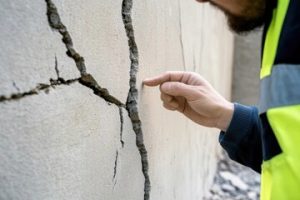
A home’s foundation is the unsung hero of its structure. It supports every wall, floor, and roof above, maintaining stability and integrity. Yet, foundations are often overlooked until problems arise. Cracks, uneven floors, or sticking doors are usually the first visible signs that something is wrong. By then, damage may already be progressing, making repairs more expensive and complicated. This is why regular foundation inspections are crucial—they allow homeowners to detect issues early, prevent major damage, and maintain both safety and property value.

Foundation inspections are more than a routine formality. They serve as preventive maintenance for a critical structural component of any property. While foundations are designed to last for decades, they are not immune to environmental stress, soil movement, water intrusion, or natural wear over time. Regular inspections help identify subtle warning signs before they escalate into costly repairs, allowing homeowners to take action while the damage is manageable. In addition, professional Foundation Repair Nashville inspections provide peace of mind, confirming that the structure remains safe for occupants and structurally sound for long-term use.

foundation repair

Understanding the Importance of Foundation Health

A foundation acts as the base of a home, distributing weight evenly to the soil and anchoring the structure against environmental forces. Any compromise in its integrity can have far-reaching consequences, affecting not only the foundation itself but also walls, floors, doors, plumbing systems, and even the roof. Uneven settling or shifting can lead to a cascade of problems that undermine both safety and property value.

Maintaining a strong foundation is essential for several reasons:

  1. Structural Stability: A well-maintained foundation ensures that all structural components remain level and balanced, reducing the risk of sagging floors or leaning walls.
  2. Preventing Secondary Damage: Foundation issues often lead to cracks in walls, gaps in windows and doors, and water intrusion, which can affect interior finishes and electrical systems.
  3. Long-Term Property Value: Homes with solid foundations are more attractive to buyers and appraisers, whereas visible foundation issues can significantly lower resale value.

Regular inspections allow homeowners to safeguard these aspects, ensuring the property remains safe and valuable over time.

Common Causes of Foundation Problems

Foundations face a variety of challenges that can compromise their integrity. Understanding these causes helps homeowners appreciate why inspections are necessary.

1. Soil Movement

Soil shifts are one of the most common contributors to foundation issues. Expansive clay soils, poor compaction, or erosion can cause the foundation to settle unevenly, leading to cracks or tilting. Heavy rainfall, flooding, or drought can exacerbate these problems, creating pressure that destabilizes the structure.

2. Water Damage

Moisture is a primary enemy of foundations. Poor drainage, leaking gutters, or plumbing issues can allow water to accumulate around or under the foundation, weakening the soil and causing structural stress. Over time, water intrusion can create cracks, promote mold growth, and even compromise the foundation’s load-bearing capacity.

3. Age and Natural Wear

Even well-built foundations deteriorate over time. Concrete can shrink or develop hairline cracks as it ages, and steel reinforcements may corrode. While minor issues may not initially affect structural integrity, they can worsen if left unchecked.

4. Tree Roots and Landscaping

Large trees planted too close to a home can have roots that extend under the foundation, exerting pressure and causing uneven settling. Landscaping changes, such as adding heavy structures or altering drainage patterns, can also impact foundation stability.

Regular inspections can detect these stressors early, enabling homeowners to address them before they escalate into serious structural problems.

Signs That Your Foundation Needs Attention

While professional inspections are crucial, homeowners can also monitor for early warning signs. Recognizing potential problems helps prioritize inspections and ensures timely intervention.

Common signs of foundation issues include:

  1. Cracks in Walls, Floors, or Ceilings: Horizontal cracks, stair-step cracks in brickwork, or widening gaps often indicate movement.
  2. Uneven or Sloping Floors: Floors that feel tilted or bouncy may point to uneven settling beneath the foundation.
  3. Doors and Windows That Stick: Doors or windows that fail to close properly can indicate misalignment caused by shifting foundations.
  4. Gaps Between Walls and Baseboards: Separation between walls, ceilings, or floors can be a subtle indicator of foundation stress.

Detecting these warning signs early, combined with regular inspections, can prevent minor issues from developing into structural emergencies.

What Happens During a Professional Foundation Inspection

Foundation inspections go beyond visual assessment. Professionals use a combination of experience, tools, and techniques to evaluate structural integrity and identify potential problems.

Key Steps in a Foundation Inspection

  1. Visual Assessment: Inspectors examine interior and exterior walls, floors, ceilings, and the foundation itself for cracks, water damage, and other visible indicators.
  2. Measurement of Foundation Movement: Laser levels, plumb lines, or digital sensors may be used to detect shifts, tilts, or uneven settling.
  3. Soil and Drainage Analysis: Inspectors evaluate the surrounding soil, grading, and drainage systems to determine how environmental factors may be affecting the foundation.
  4. Structural Evaluation: Key load-bearing components, including beams, columns, and footings, are assessed to ensure they remain strong and intact.
  5. Reporting and Recommendations: After inspection, a detailed report outlines findings, identifies issues, and suggests solutions, ranging from minor repairs to comprehensive stabilization methods.

Regular inspections can catch subtle changes before they evolve into major structural problems, saving homeowners significant time and money.

Benefits of Regular Foundation Inspections

The advantages of proactive foundation inspections extend far beyond immediate repairs. They support both safety and financial interests.

1. Prevent Costly Repairs

Foundation problems worsen over time. Minor cracks or small areas of settling may be relatively inexpensive to repair, but neglected issues often require extensive structural work, including underpinning, wall reinforcements, or slab replacement. Inspections allow for early detection, reducing repair costs.

2. Maintain Home Safety

A compromised foundation can pose serious safety risks. Uneven load distribution increases the likelihood of wall or floor collapse, misaligned doors and windows, and plumbing failures. Inspections ensure that structural concerns are addressed before they endanger occupants.

3. Protect Property Value

Homes with well-maintained foundations retain their market value, whereas those with known issues often face price reductions or struggle to sell. Professional inspection documentation demonstrates to potential buyers that the property has been monitored and maintained, increasing confidence and resale value.

4. Avoid Insurance Complications

Certain insurance policies may require evidence of regular maintenance, including foundation inspections. Timely inspections and repairs can prevent disputes over claims related to structural damage or water intrusion.

How Often Should You Inspect Your Foundation?

Foundation inspection frequency depends on several factors, including the age of the home, soil conditions, climate, and past foundation history. Generally, it is recommended to conduct a professional inspection:

  1. Every 2–3 Years for Older Homes: Aging foundations are more prone to settling, cracking, and deterioration.
  2. After Major Weather Events: Flooding, earthquakes, or extended drought can impact foundation stability.
  3. When Planning Renovations: Adding weight, altering load distribution, or excavating near the foundation requires inspection to ensure structural integrity.
  4. If Warning Signs Appear: Any noticeable cracks, uneven floors, sticking doors, or gaps should trigger an immediate inspection.

Regular inspections create a proactive approach, allowing homeowners to address issues promptly and maintain structural stability over time.

Common Foundation Repair Solutions

If an inspection reveals problems, several repair methods are available depending on the severity and type of issue.

1. Piering or Underpinning

Steel or concrete piers are installed beneath the foundation to stabilize and lift areas affected by settling. This method restores levelness and supports long-term stability.

2. Slab Jacking

For slab foundations, grout or polyurethane foam is injected beneath sunken sections to lift the concrete. This technique is effective for minor settlement problems.

3. Wall Reinforcements

Bowed or leaning walls can be stabilized using wall anchors, steel beams, or carbon fiber strips. This method prevents further movement and strengthens structural integrity.

4. Waterproofing and Drainage Solutions

Addressing moisture issues is critical for foundation health. Installing proper drainage systems, grading improvements, and waterproofing membranes helps prevent soil erosion and water damage that contribute to foundation problems.

Professional inspections ensure that the most appropriate repair method is selected, preventing future complications.

Cost Considerations

Foundation inspections and repairs represent an investment, but the long-term benefits far outweigh the upfront expense. Costs vary depending on the size of the home, the type of foundation, and the severity of any issues.

  • Inspection Costs: Typically moderate and often well below the cost of major repairs.
  • Repair Costs: Can range from minor crack filling to extensive piering or wall reinforcement. Early detection reduces overall expenses.
  • Resale Impact: Properly documented repairs can increase property value, making inspections financially prudent.

Investing in regular inspections is a strategic choice that protects both the home and the homeowner’s financial interest.

Foundation inspections are an essential component of responsible homeownership. They provide early detection of structural problems, ensure occupant safety, and protect long-term property value. Minor issues caught during routine inspections can be addressed efficiently, preventing costly repairs and extensive damage.

Proactive inspections also reassure potential buyers, demonstrating that the home has been maintained with care and foresight. This combination of safety, financial prudence, and market confidence underscores the importance of regular foundation check-ups.

By understanding the importance of foundation health, recognizing warning signs, and committing to routine professional inspections, homeowners can safeguard their investment and maintain a secure, durable living environment. A strong foundation is more than a structural necessity—it is the key to long-term safety, stability, and value.