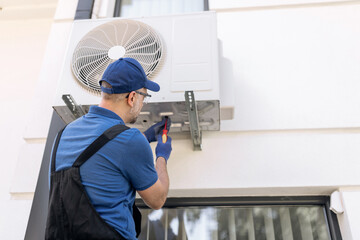
HVAC Services

Warning Signs Your Air Conditioner Needs Professional Attention

Air Conditioner

As summer heats up, a properly functioning air conditioner is essential for comfortable living. Early recognition of AC problems can prevent them from becoming major emergencies.

If you see any of these warning signs, it’s time for an inspection at Garnett Heating & Air. Musty odors indicate mold or mildew growth while a hissing sound indicates a refrigerant leak.

1. Unusual Noises

A well-functioning air conditioning system is essential for maintaining a cool, comfortable home. However, like any mechanical system, AC units can experience issues that require professional attention. Recognizing the signs of AC trouble can help homeowners avoid uncomfortable situations and costly repairs. Unusual noises, uneven cooling, high energy bills, and frequent cycling are some common indicators that an AC system needs professional care.

Any unusual sounds or odors from your AC system should be immediately addressed. Foul odors can indicate mold or mildew in the system or ductwork, which can worsen respiratory and allergy issues. Musty odors can also point to clogged or malfunctioning electrical components. Additionally, hissing sounds may signal a refrigerant leak, which can significantly reduce efficiency and lead to further damage.

Unexplained spikes in your energy bill are a sure sign that your air conditioner is working harder than necessary to cool your home. This can be due to a number of problems, including a dirty air filter, improper thermostat settings, or faulty refrigerant levels. A professional assessment can determine the cause and implement effective solutions to enhance your energy efficiency and save you money in the long run.

Uneven cooling throughout your home can be a serious problem. This can be caused by a variety of factors, including a dirty air filter, an oversized unit, or improper ductwork. In addition, an aging unit can lose its ability to properly cool your home, especially with the increased summer heat. An HVAC technician can assess your system to identify and resolve the underlying causes of inconsistency. They can also provide advice on how to prevent future inconsistencies by addressing problems such as reduced airflow, clogged filters, or a faulty thermostat.

2. Inconsistent Cooling

If walking from room to room in your home feels like traversing different climate zones, it’s time to call for professional AC service. Uneven cooling is a sign that your system isn’t running efficiently, which can drive up your energy bills and lead to premature equipment failure.

Uneven cooling typically results from a problem with your air conditioner’s ductwork or one of its components, such as the compressor or blower. Regardless of the specific cause, an experienced technician can diagnose and remedy the issue to restore balanced cooling in your home.

The cooled air that your system distributes throughout your home is pushed through a network of ducts, which are located behind walls and between rooms. If a duct becomes blocked or leaks, cool air won’t reach that area of your home and will be distributed to other areas instead. A qualified technician can identify the source of the problem and perform appropriate repairs to restore even cooling throughout your Morton Grove, IL home.

Another common cause of uneven cooling is a malfunctioning thermostat that prevents the air conditioner from regulating temperature effectively. This can also be caused by a dirty filter or low refrigerant levels. An experienced technician will inspect your system, troubleshoot the problem and replace your filters or recharge your refrigerant to fix the problem.

A sudden increase in your energy bill without an equal increase in usage is a surefire sign that it’s time to call for an AC professional. Inefficient equipment, low refrigerant and dirty ducts can all cause high energy bills. An experienced HVAC technician can conduct a thorough inspection and repair the underlying problem to reduce your monthly utility costs and maintain consistent cooling.

3. High Energy Bills

Your AC system uses a significant amount of energy to cool your home. If your electricity bills are skyrocketing, it could be an indicator that your air conditioner isn’t operating efficiently. Air conditioning repairs and other maintenance services can help you restore your AC’s efficiency and save money.

Air conditioning issues, such as clogged filters, thermostat problems, and improper airflow can cause your air conditioner to operate inefficiently. This increases your electricity costs and shortens the lifespan of your unit. A newer, more efficient AC can deliver lower electricity bills while providing superior cooling performance.

Unusual sounds and unpleasant odors are another indication that your air conditioner needs professional attention. Clicking, screeching, grinding, or rattling noises indicate that a component has come loose or is damaged. Foul odors, such as musty or burning, can be signs of mold growth or other health concerns within your air conditioner or ductwork.

Energy costs are on the rise, but high electricity bills don’t have to be a normal part of summer life. Many energy-efficient upgrades can dramatically reduce your electricity bills, including improved airflow, duct sealing, and thermostat settings.

The best way to protect your home and family during the sweltering summer is by maintaining an AC system that is well-maintained and in good repair. Recognizing warning signs like inconsistent cooling, strange noises, high energy bills, and frequent cycling can help you avoid costly AC repairs or even replacement. Contact a trusted air condition repair service today to schedule a professional inspection and prevent costly problems in the future.

4. Reduced Airflow

Airflow is a key indicator of your HVAC system’s ability to keep your home comfortable. Weak airflow could indicate a problem with your unit that requires professional attention.

Low airflow can be caused by a few issues, including dirty filters and obstructions blocking vents. If these problems are not addressed in a timely manner, your AC will have to work harder to keep your home cool. In addition, restricted airflow can lead to hot and cold spots throughout your home.

Another sign of an inefficient AC system is a sudden increase in energy bills. This spike can be the result of a number of problems, including thermostat issues, a refrigerant leak, or an oversized unit. A professional load calculation can help you determine if your current system is a good match for your home’s square footage, insulation levels, and layout.

If you notice a sudden decrease in airflow, start by checking your filters and making sure all of your vents are clear of obstructions like furniture or drapes. If the issue is not resolved by these steps, contact a professional for further inspection and maintenance.

If you notice a foul odor coming from your vents or unit, this is also an indication that it’s time to call for service. Foul smells can indicate mold growth or other damage to the unit or ductwork, causing respiratory and other health issues in your home. A professional can assess the source of the smell and recommend repair or replacement options to address it as soon as possible. This helps to reduce the risk of long-term damage to your system and to your home’s indoor air quality.

5. Leaking or Excessive Condensation

A healthy air conditioning system works hard to keep your home cool. However, over time it can develop problems that require immediate attention. Recognizing early warning signs like strange noises, inconsistent cooling, high energy bills, and leaking or excessive condensation can save you money and discomfort.

Unpleasant odors coming from your vents may indicate bacterial or mold growth in parts like the evaporator coils and drip pan. Mold and bacterial growth not only reduces your air conditioner’s efficiency, but it can also impact indoor air quality and lead to health issues for you and your family.

When moisture buildup causes an unpleasant odor, you need to take action right away. The easiest way to identify the problem is by carefully examining the source of the moisture. Condensation is often localized, appearing only in certain conditions such as cold weather or after a steamy shower. Water from a leak, on the other hand, is more widespread and persistent.

If you walk from room to room in your home and feel the temperature varies significantly, this is a sign that your AC system needs attention. This inconsistency can be caused by dirty filters, low refrigerant, clogged evaporator coils, or other problems that limit airflow. Having your system regularly maintained by a reputable company can prevent this inconsistency and ensure that your system is working as efficiently as possible.

A humming sound from your vents is usually a good sign, but if you hear grinding, squealing, or banging noises, it’s time to contact an HVAC professional. These sounds indicate a variety of serious system issues, from worn bearings to slipping belts and loose parts that could damage your air conditioning components and the rest of your home.
Electrical Services

Troubleshooting Circuit Breaker Issues and Power Outages

Reliable Nash Electric LLC is a cornerstone of modern life. Whether in homes, offices, or industrial facilities, uninterrupted power is essential for daily operations, safety, and comfort. Despite advances in electrical infrastructure, power disruptions are still common, and circuit breaker issues often play a central role. Circuit breakers are safety devices designed to protect electrical systems from overloads, short circuits, and potential fire hazards. When they malfunction or trip frequently, they can cause inconvenient or even dangerous power interruptions. Understanding how to troubleshoot these issues, identify their underlying causes, and implement appropriate solutions is crucial for maintaining a safe and reliable electrical system.

electrical services

Circuit breakers serve as protective mechanisms within electrical panels. They automatically interrupt electrical flow when a fault occurs, preventing damage to wiring, equipment, and connected devices. While circuit breakers are designed to enhance safety, they can sometimes trip unnecessarily or fail to operate as intended. Common symptoms include frequent tripping, a breaker that refuses to reset, or a panel that shows signs of wear, such as burning smells, flickering lights, or unusual noises. Recognizing these warning signs early can prevent more serious issues, including fires or equipment damage.

One of the most frequent causes of breaker trips is circuit overload. This occurs when the electrical load on a circuit exceeds the breaker’s rated capacity. Homes and commercial buildings often add new appliances, lighting systems, or equipment over time, increasing demand on existing circuits. For example, running multiple high-power devices simultaneously on a single circuit can trigger trips. In these situations, the solution often involves redistributing loads across additional circuits or upgrading the panel to accommodate higher capacity. Electrical contractors are trained to assess load requirements accurately and implement safe, compliant solutions.

Short circuits are another common source of breaker issues. A short circuit happens when a hot wire comes into direct contact with a neutral or ground wire, allowing electricity to flow along an unintended path. This can generate intense heat and sparks, posing a serious fire risk. Short circuits are typically caused by faulty wiring, damaged insulation, or defective appliances. Identifying the source of a short circuit requires careful inspection, often using specialized tools such as voltage testers, multimeters, or thermal cameras. Once located, the problem can be corrected by repairing or replacing the damaged wiring or equipment.

Ground faults are closely related to short circuits but involve unintended contact between a hot wire and a grounded surface. Ground fault circuit interrupters (GFCIs) are designed to protect against these hazards by shutting off power when such contact is detected. GFCI breakers are commonly installed in areas where water exposure is likely, such as kitchens, bathrooms, and outdoor outlets. If a GFCI breaker trips repeatedly, it may indicate moisture intrusion, faulty wiring, or a defective device. Troubleshooting requires identifying the specific circuit and addressing the moisture or wiring issues while ensuring code compliance.

Breaker age and wear are often overlooked causes of electrical issues. Over time, the mechanical and electrical components within a breaker can deteriorate due to repeated trips, overheating, or environmental conditions. An aging breaker may fail to reset properly, trip without a clear cause, or produce unusual sounds such as buzzing or clicking. In such cases, replacing the breaker with a modern, code-compliant unit is typically the safest and most effective solution. Regular panel inspections help identify aging breakers before they cause significant disruptions or safety hazards.

Environmental factors can also affect breaker performance. Excessive heat, humidity, or exposure to dust and debris can compromise both the breaker and panel components. In commercial or industrial settings, vibration from heavy machinery can lead to loose connections or internal wear over time. Ensuring proper ventilation, protecting panels from environmental stressors, and conducting periodic maintenance are all critical steps to preserve breaker functionality and system reliability.

In addition to individual breaker issues, broader power outages may stem from external factors such as utility interruptions, weather events, or infrastructure failures. While these are outside the control of building occupants, understanding how internal breakers respond is essential for safety. During a power outage, breakers prevent surges when electricity is restored, protecting equipment from damage. Additionally, backup power solutions, such as generators or uninterruptible power supplies (UPS), rely on properly functioning breakers and panels to provide seamless electricity during interruptions.

Effective troubleshooting of circuit breaker issues typically follows a structured process. First, it is important to identify the specific circuit or circuits affected. This can be done by turning off all devices and resetting the breaker while observing which outlets or equipment lose power. Next, the electrician examines the load on the circuit, looking for appliances or devices that may exceed capacity. If overloading is suspected, circuits can be redistributed, or additional breakers may be added to balance the load.

The next step is inspecting for short circuits or ground faults. This requires visual examination of wiring, outlets, and connected devices, as well as testing with electrical instruments to detect faults. Any damaged wiring or defective equipment is repaired or replaced. GFCI-protected circuits require particular attention, as moisture or faulty devices can trigger unnecessary trips. Ensuring that outlets and wiring are dry, intact, and code-compliant is essential for resolving these issues.

Breaker replacement may be necessary if the device itself is faulty or aged. Modern breakers offer improved reliability, sensitivity, and safety features compared to older units. Licensed electricians ensure that replacement breakers match the panel specifications and are installed according to code requirements. Proper installation prevents improper trips, enhances protection, and reduces the likelihood of future electrical problems.

Preventative maintenance is a critical aspect of ensuring long-term breaker and power system reliability. Regular inspection of panels, tightening of connections, cleaning of dust or debris, and testing of breakers under load conditions helps identify potential issues before they become emergencies. Facility managers and homeowners are advised to schedule periodic evaluations, particularly in high-demand environments where electrical load and equipment density increase the risk of overloads and faults.

Education and awareness also play a role in preventing breaker issues. Occupants should understand the limits of circuits, avoid overloading outlets, and recognize signs of electrical strain, such as flickering lights or burning odors. Simple behavioral adjustments, such as staggering the use of high-power appliances or unplugging unused devices, can reduce the frequency of trips and extend the life of breakers and panels.

Technology can also aid in troubleshooting and managing electrical loads. Advanced monitoring systems can provide real-time data on circuit performance, alerting property owners to overload conditions, abnormal current flow, or repeated trips. Such systems help identify issues early, guide load redistribution, and ensure that protective devices function effectively. Integration with smart building technology further allows for automated responses, such as temporarily reducing non-critical loads during peak demand or outages.

Key steps to troubleshoot and resolve circuit breaker issues include:

  1. Identify the affected circuit – Determine which breakers are tripping and which outlets or devices are impacted.
  2. Assess circuit load – Evaluate whether the breaker is overloaded by the combined demand of connected devices.
  3. Inspect for short circuits or ground faults – Examine wiring, outlets, and appliances for signs of damage, moisture, or wear.
  4. Test and replace faulty breakers – Replace breakers that fail to reset, show signs of wear, or are outdated.
  5. Implement preventative maintenance – Schedule regular inspections, tighten connections, and clean panels to reduce future issues.
  6. Integrate monitoring tools – Utilize electrical monitoring or smart systems to track load, detect faults, and respond proactively.

Commercial and industrial facilities face unique challenges due to high electrical demand, complex equipment, and strict safety regulations. In these environments, a single breaker trip can disrupt production lines, compromise safety systems, and lead to financial losses. Electrical contractors are essential for designing robust panels, implementing load balancing strategies, and integrating emergency power solutions that minimize disruption. In addition, ongoing monitoring and maintenance ensure continuous protection for critical systems.

Residential environments also benefit from professional guidance. While household loads are generally lower than industrial operations, overloaded circuits, faulty breakers, or aging panels can still pose serious safety risks. A licensed electrician evaluates the home’s electrical system, recommends upgrades if necessary, and ensures that protective devices function correctly. This proactive approach enhances safety, prevents damage to appliances, and ensures uninterrupted power to essential areas of the home.

In conclusion, troubleshooting circuit breaker issues and power outages requires a combination of technical expertise, systematic evaluation, and preventive measures. Understanding the causes of trips, such as overloads, short circuits, ground faults, or aging equipment, allows property owners to implement effective solutions. Licensed electricians play a vital role in diagnosing problems, replacing or upgrading components, and maintaining electrical systems in safe, reliable, and code-compliant condition.

Regular maintenance, load management, and monitoring are critical to preventing recurring issues and ensuring uninterrupted electricity. By addressing both the immediate symptoms and underlying causes of breaker problems, property owners can protect equipment, enhance safety, and minimize operational disruption. Whether for homes, offices, or industrial facilities, effective troubleshooting and system management are key to maintaining reliable, efficient, and safe electrical service.

Investing in professional electrical services not only resolves existing issues but also prepares the system for future energy demands. Modern electrical solutions, including panel upgrades, smart monitoring, and emergency power integration, complement traditional troubleshooting to create resilient, efficient, and dependable power systems. In an age where electricity is indispensable, understanding and addressing circuit breaker and outage issues is a critical step toward operational reliability and long-term safety.