Reliable Nash Electric LLC is a cornerstone of modern life. Whether in homes, offices, or industrial facilities, uninterrupted power is essential for daily operations, safety, and comfort. Despite advances in electrical infrastructure, power disruptions are still common, and circuit breaker issues often play a central role. Circuit breakers are safety devices designed to protect electrical systems from overloads, short circuits, and potential fire hazards. When they malfunction or trip frequently, they can cause inconvenient or even dangerous power interruptions. Understanding how to troubleshoot these issues, identify their underlying causes, and implement appropriate solutions is crucial for maintaining a safe and reliable electrical system.
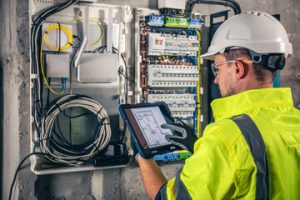
Circuit breakers serve as protective mechanisms within electrical panels. They automatically interrupt electrical flow when a fault occurs, preventing damage to wiring, equipment, and connected devices. While circuit breakers are designed to enhance safety, they can sometimes trip unnecessarily or fail to operate as intended. Common symptoms include frequent tripping, a breaker that refuses to reset, or a panel that shows signs of wear, such as burning smells, flickering lights, or unusual noises. Recognizing these warning signs early can prevent more serious issues, including fires or equipment damage.
One of the most frequent causes of breaker trips is circuit overload. This occurs when the electrical load on a circuit exceeds the breaker’s rated capacity. Homes and commercial buildings often add new appliances, lighting systems, or equipment over time, increasing demand on existing circuits. For example, running multiple high-power devices simultaneously on a single circuit can trigger trips. In these situations, the solution often involves redistributing loads across additional circuits or upgrading the panel to accommodate higher capacity. Electrical contractors are trained to assess load requirements accurately and implement safe, compliant solutions.
Short circuits are another common source of breaker issues. A short circuit happens when a hot wire comes into direct contact with a neutral or ground wire, allowing electricity to flow along an unintended path. This can generate intense heat and sparks, posing a serious fire risk. Short circuits are typically caused by faulty wiring, damaged insulation, or defective appliances. Identifying the source of a short circuit requires careful inspection, often using specialized tools such as voltage testers, multimeters, or thermal cameras. Once located, the problem can be corrected by repairing or replacing the damaged wiring or equipment.
Ground faults are closely related to short circuits but involve unintended contact between a hot wire and a grounded surface. Ground fault circuit interrupters (GFCIs) are designed to protect against these hazards by shutting off power when such contact is detected. GFCI breakers are commonly installed in areas where water exposure is likely, such as kitchens, bathrooms, and outdoor outlets. If a GFCI breaker trips repeatedly, it may indicate moisture intrusion, faulty wiring, or a defective device. Troubleshooting requires identifying the specific circuit and addressing the moisture or wiring issues while ensuring code compliance.
Breaker age and wear are often overlooked causes of electrical issues. Over time, the mechanical and electrical components within a breaker can deteriorate due to repeated trips, overheating, or environmental conditions. An aging breaker may fail to reset properly, trip without a clear cause, or produce unusual sounds such as buzzing or clicking. In such cases, replacing the breaker with a modern, code-compliant unit is typically the safest and most effective solution. Regular panel inspections help identify aging breakers before they cause significant disruptions or safety hazards.
Environmental factors can also affect breaker performance. Excessive heat, humidity, or exposure to dust and debris can compromise both the breaker and panel components. In commercial or industrial settings, vibration from heavy machinery can lead to loose connections or internal wear over time. Ensuring proper ventilation, protecting panels from environmental stressors, and conducting periodic maintenance are all critical steps to preserve breaker functionality and system reliability.
In addition to individual breaker issues, broader power outages may stem from external factors such as utility interruptions, weather events, or infrastructure failures. While these are outside the control of building occupants, understanding how internal breakers respond is essential for safety. During a power outage, breakers prevent surges when electricity is restored, protecting equipment from damage. Additionally, backup power solutions, such as generators or uninterruptible power supplies (UPS), rely on properly functioning breakers and panels to provide seamless electricity during interruptions.
Effective troubleshooting of circuit breaker issues typically follows a structured process. First, it is important to identify the specific circuit or circuits affected. This can be done by turning off all devices and resetting the breaker while observing which outlets or equipment lose power. Next, the electrician examines the load on the circuit, looking for appliances or devices that may exceed capacity. If overloading is suspected, circuits can be redistributed, or additional breakers may be added to balance the load.
The next step is inspecting for short circuits or ground faults. This requires visual examination of wiring, outlets, and connected devices, as well as testing with electrical instruments to detect faults. Any damaged wiring or defective equipment is repaired or replaced. GFCI-protected circuits require particular attention, as moisture or faulty devices can trigger unnecessary trips. Ensuring that outlets and wiring are dry, intact, and code-compliant is essential for resolving these issues.
Breaker replacement may be necessary if the device itself is faulty or aged. Modern breakers offer improved reliability, sensitivity, and safety features compared to older units. Licensed electricians ensure that replacement breakers match the panel specifications and are installed according to code requirements. Proper installation prevents improper trips, enhances protection, and reduces the likelihood of future electrical problems.
Preventative maintenance is a critical aspect of ensuring long-term breaker and power system reliability. Regular inspection of panels, tightening of connections, cleaning of dust or debris, and testing of breakers under load conditions helps identify potential issues before they become emergencies. Facility managers and homeowners are advised to schedule periodic evaluations, particularly in high-demand environments where electrical load and equipment density increase the risk of overloads and faults.
Education and awareness also play a role in preventing breaker issues. Occupants should understand the limits of circuits, avoid overloading outlets, and recognize signs of electrical strain, such as flickering lights or burning odors. Simple behavioral adjustments, such as staggering the use of high-power appliances or unplugging unused devices, can reduce the frequency of trips and extend the life of breakers and panels.
Technology can also aid in troubleshooting and managing electrical loads. Advanced monitoring systems can provide real-time data on circuit performance, alerting property owners to overload conditions, abnormal current flow, or repeated trips. Such systems help identify issues early, guide load redistribution, and ensure that protective devices function effectively. Integration with smart building technology further allows for automated responses, such as temporarily reducing non-critical loads during peak demand or outages.
Key steps to troubleshoot and resolve circuit breaker issues include:
- Identify the affected circuit – Determine which breakers are tripping and which outlets or devices are impacted.
- Assess circuit load – Evaluate whether the breaker is overloaded by the combined demand of connected devices.
- Inspect for short circuits or ground faults – Examine wiring, outlets, and appliances for signs of damage, moisture, or wear.
- Test and replace faulty breakers – Replace breakers that fail to reset, show signs of wear, or are outdated.
- Implement preventative maintenance – Schedule regular inspections, tighten connections, and clean panels to reduce future issues.
- Integrate monitoring tools – Utilize electrical monitoring or smart systems to track load, detect faults, and respond proactively.
Commercial and industrial facilities face unique challenges due to high electrical demand, complex equipment, and strict safety regulations. In these environments, a single breaker trip can disrupt production lines, compromise safety systems, and lead to financial losses. Electrical contractors are essential for designing robust panels, implementing load balancing strategies, and integrating emergency power solutions that minimize disruption. In addition, ongoing monitoring and maintenance ensure continuous protection for critical systems.
Residential environments also benefit from professional guidance. While household loads are generally lower than industrial operations, overloaded circuits, faulty breakers, or aging panels can still pose serious safety risks. A licensed electrician evaluates the home’s electrical system, recommends upgrades if necessary, and ensures that protective devices function correctly. This proactive approach enhances safety, prevents damage to appliances, and ensures uninterrupted power to essential areas of the home.
In conclusion, troubleshooting circuit breaker issues and power outages requires a combination of technical expertise, systematic evaluation, and preventive measures. Understanding the causes of trips, such as overloads, short circuits, ground faults, or aging equipment, allows property owners to implement effective solutions. Licensed electricians play a vital role in diagnosing problems, replacing or upgrading components, and maintaining electrical systems in safe, reliable, and code-compliant condition.
Regular maintenance, load management, and monitoring are critical to preventing recurring issues and ensuring uninterrupted electricity. By addressing both the immediate symptoms and underlying causes of breaker problems, property owners can protect equipment, enhance safety, and minimize operational disruption. Whether for homes, offices, or industrial facilities, effective troubleshooting and system management are key to maintaining reliable, efficient, and safe electrical service.
Investing in professional electrical services not only resolves existing issues but also prepares the system for future energy demands. Modern electrical solutions, including panel upgrades, smart monitoring, and emergency power integration, complement traditional troubleshooting to create resilient, efficient, and dependable power systems. In an age where electricity is indispensable, understanding and addressing circuit breaker and outage issues is a critical step toward operational reliability and long-term safety.