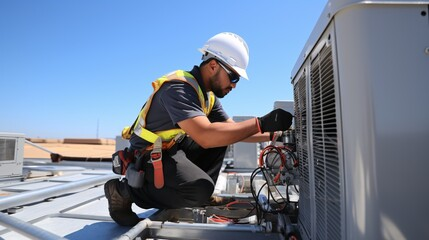
Home heating systems represent critical infrastructure that most property owners take for granted until something goes wrong. When temperatures drop and heating fails, what was once invisible background comfort suddenly becomes an urgent crisis demanding immediate attention. Home repair services specializing in heating systems provide the expertise needed to diagnose problems, perform repairs, and restore warmth to homes efficiently and safely.
Understanding how these services operate, what they offer, and when to call for professional at B&K Enterprises help empowers homeowners to maintain comfortable, safe living environments while avoiding the complications that arise from attempting repairs beyond their skill level or ignoring warning signs until minor issues become major failures.
The Range of Heating System Repairs
Heating repair services encompass work on various system types including forced air furnaces, boilers, heat pumps, and radiant heating systems. Each type presents unique characteristics, potential problems, and repair requirements. Boiler systems, which heat water or create steam for distribution through radiators or radiant floor systems, involve different components and failure modes than forced air systems that heat and circulate air through ductwork. Repair technicians must understand these distinctions and possess specialized knowledge for the specific systems they service.
Common boiler repairs address issues with heating elements, circulation pumps, pressure relief valves, expansion tanks, and control systems. Boilers might fail to ignite, lose pressure, make unusual noises, or heat unevenly throughout the distribution system. Each symptom points toward different potential causes, and experienced technicians use systematic diagnostic approaches to identify root problems rather than simply addressing obvious symptoms that might mask underlying issues.
Furnace repairs often involve blower motors, heat exchangers, ignition systems, gas valves, and air filters. Strange odors, inadequate heating, frequent cycling, or complete failure to start all indicate problems requiring professional diagnosis and repair. Some issues stem from simple causes like dirty filters or tripped breakers, while others involve failed components requiring replacement or complex problems demanding expert troubleshooting.
Heat pump systems, which provide both heating and cooling, present their own unique repair challenges. These systems rely on refrigerant cycles, compressors, reversing valves, and defrost controls that can fail in ways specific to heat pump operation. Technicians servicing heat pumps need expertise in both heating and cooling systems along with understanding of the specialized components that enable heat pumps to extract warmth from outdoor air even in cold conditions.
Recognizing When Professional Help Is Needed
Homeowners sometimes struggle to determine when heating problems require professional repair services versus simple troubleshooting they can handle themselves. Certain situations clearly demand professional attention due to safety concerns, complexity, or the specialized tools and knowledge required for proper diagnosis and repair. Any issue involving gas leaks, carbon monoxide concerns, or electrical problems exceeds what homeowners should attempt to address independently.
Strange odors, particularly those suggesting gas leaks or burning materials, require immediate professional evaluation. Gas leaks pose serious safety hazards including explosion risk, while burning smells might indicate dangerous conditions like cracked heat exchangers that can release carbon monoxide into living spaces. These situations demand shutting down heating systems and calling qualified technicians immediately rather than attempting to identify or fix problems independently.
Persistent problems that return after attempted fixes suggest underlying issues requiring professional diagnosis. A boiler that repeatedly loses pressure might have hidden leaks, a furnace that cycles frequently could have thermostat problems or airflow restrictions, and systems that fail to reach desired temperatures might suffer from undersizing, distribution problems, or component failures. Professional technicians possess the diagnostic tools and experience to identify these root causes rather than repeatedly addressing symptoms.
Complete system failures obviously require professional help, but even subtle changes in performance merit attention. Gradual increases in heating costs, longer run times to achieve comfortable temperatures, or increasing frequency of minor problems all suggest developing issues that professional maintenance or repair can address before they become emergencies. Early intervention typically costs far less than emergency repairs on completely failed systems.
The Repair Process and What to Expect
Professional heating repair typically begins with thorough diagnosis to identify the problem accurately. Technicians ask about symptoms, duration of problems, any changes in system behavior, and recent maintenance or repairs. This information helps focus diagnostic efforts on most likely causes. Physical inspection follows, examining visible components, checking for obvious problems, and running the system to observe its operation.
Diagnostic tools including multimeters, pressure gauges, temperature sensors, and combustion analyzers help technicians measure system performance and identify problems not visible through simple observation. Electrical issues require testing voltage, current, and continuity at various points. Boilers need pressure and temperature measurements along with inspection of water quality and circulation. Gas systems demand verification of proper pressures and combustion efficiency.
Once problems are identified, technicians explain findings to homeowners, describing what failed, why it happened, and what repairs are needed. Quality repair services provide clear explanations in understandable terms, helping homeowners make informed decisions about repairs. They discuss repair options when alternatives exist, explaining advantages and costs of different approaches. Estimates for repair work should be clear and comprehensive, covering parts, labor, and any additional work needed to complete repairs properly.
The actual repair work varies dramatically depending on the problem. Simple repairs like replacing igniters or thermocouples might take less than an hour, while complex problems like replacing heat exchangers, circulation pumps, or control boards require more time and expertise. Professional technicians work efficiently while maintaining quality standards, testing repairs thoroughly before considering work complete. They verify not just that the failed component is replaced but that the entire system operates properly and safely.
Maintenance Services That Prevent Problems
Beyond emergency repairs, heating repair services often provide preventive maintenance that reduces breakdown frequency and extends system life. Regular maintenance catches developing problems before they cause failures, cleans components that accumulate dirt and debris affecting performance, and ensures systems operate safely and efficiently. Many homeowners overlook maintenance until problems arise, but proactive service proves far more cost effective than reactive emergency repairs.
Annual maintenance typically includes cleaning, inspection, testing, and adjustment of heating system components. Technicians clean burners, inspect heat exchangers, test safety controls, verify proper combustion, check electrical connections, lubricate moving parts, and replace filters. These services keep systems running smoothly while identifying worn components that should be replaced before they fail unexpectedly.
Boiler maintenance includes checking and adjusting water chemistry to prevent corrosion and scale buildup that reduces efficiency and shortens equipment life. Bleeding air from radiators, inspecting and testing pressure relief valves, and verifying proper circulation pump operation all contribute to reliable boiler performance. Expansion tanks require periodic inspection and may need recharging to maintain proper system pressure.
Maintenance contracts offered by many repair services provide scheduled annual service along with benefits like priority emergency service, discounted repairs, and extended warranties. These agreements ensure maintenance happens consistently rather than being forgotten during years when systems seem to run fine. The peace of mind and potential savings from preventing major failures often justify maintenance contract costs.
Selecting Quality Repair Services
Choosing heating repair services requires evaluating several factors beyond simply selecting whoever offers the lowest price. Expertise matters tremendously in heating repair, where improper diagnosis or substandard repairs can create safety hazards, cause additional damage, or leave homeowners with systems that continue malfunctioning. Technicians need proper training, licensing where required, and experience with specific system types to provide reliable service.
Licensing and certification demonstrate that technicians have met minimum competency standards and maintain required knowledge through continuing education. Professional certifications from industry organizations indicate commitment to excellence and adherence to recognized standards. Insurance coverage protects homeowners from liability if problems occur during service calls, and legitimate businesses readily provide proof of insurance when requested.
References and reviews from previous customers offer insights into service quality, reliability, and professionalism that never appear in advertisements. Talking with neighbors or friends about their experiences provides valuable information for evaluating repair services. Online reviews should be considered carefully, looking for patterns in feedback rather than focusing on isolated extreme opinions.
Response time matters when heating failures occur during cold weather. Services offering 24-hour emergency availability provide crucial support when breakdowns happen outside normal business hours. However, emergency service typically costs more than scheduled appointments, so homeowners should weigh urgency against cost when deciding whether to pay premium rates for immediate service or wait for regular hours when problems are uncomfortable but not dangerous.
Final Thoughts
Home repair services for heating systems provide essential support that keeps homes comfortable and safe throughout heating seasons. Professional technicians bring expertise that enables accurate diagnosis, proper repairs, and preventive maintenance that extends equipment life while preventing emergency failures. While the cost of professional service sometimes tempts homeowners to delay repairs or attempt fixes themselves, the complexity and safety implications of heating systems generally favor professional service for anything beyond the most basic troubleshooting.
Investing in quality repair services and regular maintenance protects the larger investment in heating equipment while ensuring reliable comfort and safety. When heating problems arise, recognizing the value of professional expertise and calling qualified technicians promptly prevents minor issues from becoming major expenses while maintaining the warmth and comfort that make houses into homes.